
Pennsylvania may be landlocked, but its best hotels compensate with indoor pools, hot tubs, and year-round aquatic amenities that make them a genuine draw for families, weekend travelers, and business guests alike. From the rolling hills of Clearfield to the southwestern corner near Fallingwater, these five properties span the state's most practical travel corridors. This guide cuts through the noise to show you exactly which hotel fits your itinerary, budget, and location needs in Pennsylvania.
What It's Like Staying in Pennsylvania
Pennsylvania stretches across a wide geographic band - from the Appalachian highlands in the center to the post-industrial cities of Pittsburgh in the west and Philadelphia in the east - meaning your experience depends heavily on which part of the state you choose. Getting around requires a car in most areas outside the major cities, as public transit is limited outside Philadelphia and Pittsburgh. Crowd patterns vary dramatically: urban corridors fill up during fall foliage season and summer festivals, while rural areas near state parks stay relatively quiet outside peak weekends.
Travelers who benefit most from staying in Pennsylvania are road-trippers exploring the Appalachians, families visiting historic landmarks, and nature enthusiasts targeting the state's around 120 state parks. Those seeking a dense walkable city experience may find Pennsylvania's mid-state towns underwhelming compared to coastal destinations.
Pros:
- Centrally located on the East Coast with easy access to major highways like I-76 and I-78
- Diverse landscape from forested highlands to river valleys, offering year-round outdoor activities
- Strong cultural and historical draw including Gettysburg, Fallingwater, and Amish Country
Cons:
- Car dependency is near-total outside Pittsburgh and Philadelphia - not suitable for car-free travelers
- Many mid-state towns have limited dining and entertainment options after 9 PM
- Winter road conditions in central and western Pennsylvania can complicate travel planning significantly
Why Choose Indoor Pool Hotels in Pennsylvania
In a state where outdoor swimming is seasonal and temperatures drop sharply from October onward, hotels with indoor pools offer genuine year-round utility - not just a marketing checkbox. For families traveling with children, an indoor pool adds hours of on-site entertainment, especially during the colder months when outdoor activities are restricted. These properties tend to be 3-star mid-scale hotels positioned along highway corridors, offering free parking and buffet breakfasts, which makes them substantially more practical for road-trip itineraries than boutique city-center options.
Price-wise, indoor pool hotels in Pennsylvania typically sit in the mid-range bracket, often around 20% more expensive than comparable properties without the amenity - but that gap closes significantly when you factor in free breakfast and free parking, which most of these hotels include. Room sizes are generally larger than urban hotels, with standard rooms typically offering enough space for families or extended stays.
Pros:
- Indoor pools make these properties usable year-round, especially during Pennsylvania's cold-weather months
- Free parking and free breakfast at most properties reduce total trip cost considerably
- Fitness centers and hot tubs are commonly bundled, adding recovery value for active travelers
Cons:
- Most properties are located near highway exits rather than walkable town centers
- On-site dining options can be limited to breakfast only at several properties
- Indoor pools at mid-scale hotels may have restricted hours or limited lane space during peak occupancy
Practical Booking & Area Strategy in Pennsylvania
Pennsylvania's most strategically located hotel corridors for travelers with indoor pool priorities run along the I-80 belt (Bloomsburg, Clearfield), the southwestern quadrant near Uniontown and Cranberry Township, and the Indiana area in the west-central region. Cranberry Township, north of Pittsburgh, is the most connected option - Pittsburgh International Airport is around 33 km away, making it viable for fly-drive itineraries, and the Andy Warhol Museum, PNC Park, and Pittsburgh's Strip District are all reachable within 45 minutes. Bloomsburg serves as a useful base for Ricketts Glen State Park, one of Pennsylvania's most dramatic waterfall hikes, located around 46 km from the hotel strip.
For fall foliage season - peak weeks in mid-October - booking at least 6 weeks in advance is strongly advised, particularly in the Bloomsburg and Clearfield corridors where leaf-peeping demand spikes sharply. Summer weekends near Knoebels Amusement Resort (around 25 km from Bloomsburg) also drive occupancy up fast. Uniontown is the least-crowded option and the closest Pennsylvania base to Fallingwater, Frank Lloyd Wright's iconic house, which sits around 38 km away - a route most visitors underestimate in planning time due to winding mountain roads.
Best Value Stays
These three properties deliver solid indoor pool access, free parking, and breakfast across Pennsylvania's central and western corridors - strong picks for road-trippers and families prioritizing value and convenience.
-
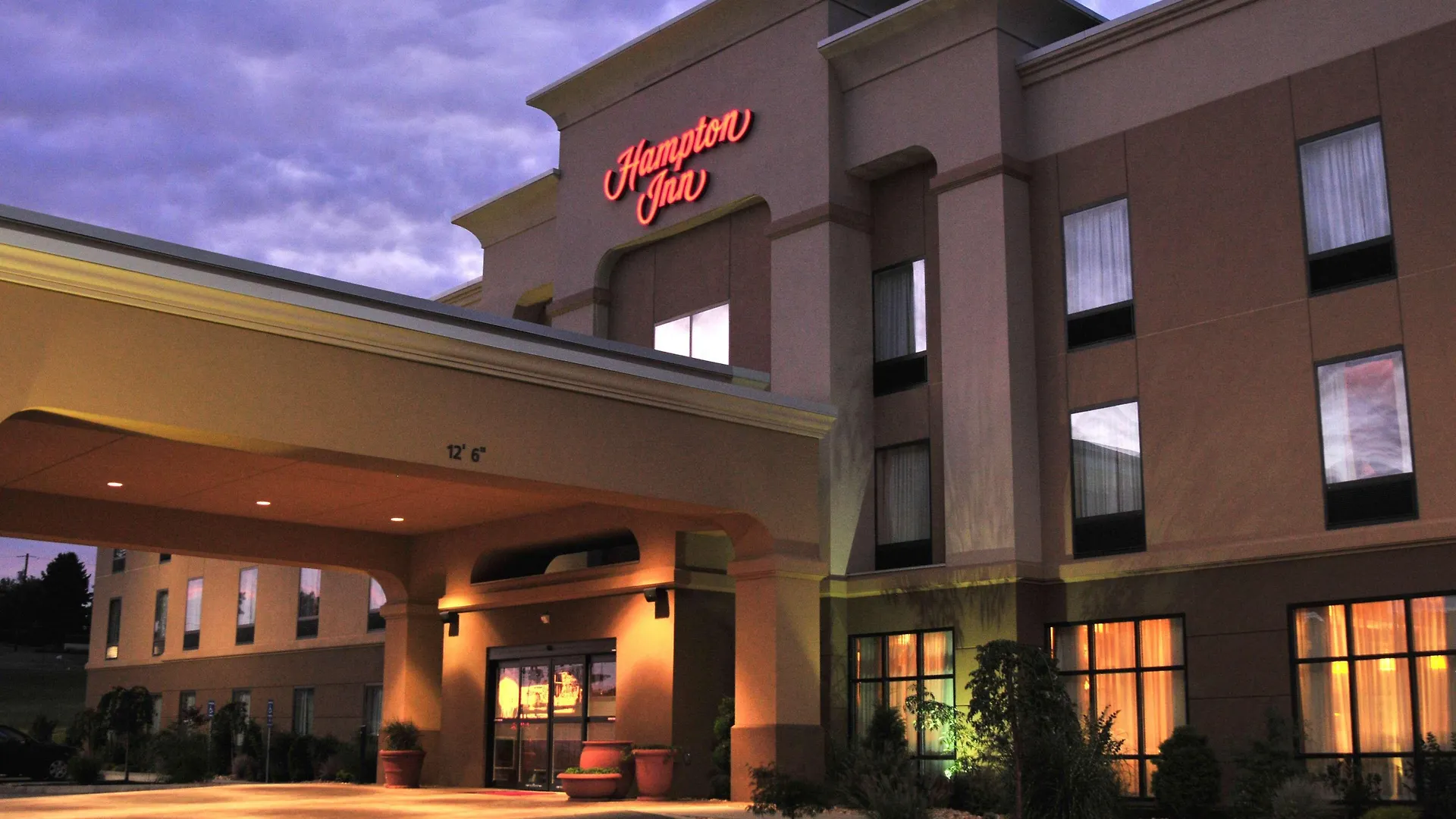
1. Hampton Inn Indiana
Show on map


 Check-infrom 15:00 until 23:59Check-outuntil 11:00
Just a few rooms left at the best rate!
fromUS$ 109
-
2. Hampton Inn Bloomsburg
Show on map


 Check-infrom 15:00 until 23:59Check-outuntil 11:00
Just a few rooms left at the best rate!
fromUS$ 127
-
3. Hampton Inn Clearfield
Show on map


 Check-infrom 15:00 until 23:59Check-outuntil 11:00
Hurry – almost gone at this price!
fromUS$ 62
Best Premium Stays
These two Hilton Garden Inn properties step up with on-site restaurants, bars, and stronger connectivity to Pennsylvania's major urban and cultural destinations - the right pick for travelers who want more than a highway stopover.
-
4. Hilton Garden Inn Uniontown
Show on map


 Check-infrom 16:00 until 23:59Check-outuntil 11:00
Hurry – almost gone at this price!
fromUS$ 90
-
5. Hilton Garden Inn Pittsburgh/Cranberry
Show on map


 Check-infrom 15:00 until 23:59Check-outuntil 12:00
Rooms filling fast – secure the best rate!
fromUS$ 102
Smart Travel Timing & Booking Advice for Pennsylvania
Pennsylvania's travel calendar has two clear pressure points: mid-October for fall foliage and the July-August summer stretch when family travel peaks, particularly near attractions like Knoebels and the Pocono Mountains. During these windows, mid-scale hotel rates across the state can spike by around 35%, and availability at properties near state parks or Pittsburgh fills up fast. The quietest - and most cost-effective - windows are late November through February, when rates drop and crowds thin out, though winter driving conditions in the Clearfield and Bloomsburg corridors require careful planning.
For most Pennsylvania itineraries, 2 nights per region is the practical minimum to make driving distances worthwhile - trying to cover Bloomsburg, Clearfield, and Pittsburgh in a single night each leaves little time for actual attractions. Book at least 4 weeks ahead for summer and fall stays; last-minute availability exists in winter and early spring but is rare near Pittsburgh-area properties, which maintain stronger corporate travel demand year-round. If your primary goal is Fallingwater or Ricketts Glen, anchor your stay in Uniontown or Bloomsburg respectively before extending the trip westward or eastward.


