Nigeria's hotel market has expanded rapidly in recent years, and its 4-star segment now offers a genuinely competitive tier between budget guesthouses and luxury international chains. Whether you're travelling for business to Lagos, exploring the southeast from Enugu, or transiting through Abuja, understanding where and how to book a 4-star property here makes a tangible difference in comfort, safety, and value.
What It's Like Staying in Nigeria
Nigeria is Africa's most populous country and its largest economy, which translates into a hotel landscape that is urban-heavy, commercially driven, and highly variable by city. Lagos dominates in terms of volume and pace - staying here puts you in one of the continent's fastest-moving metropolises, with traffic that can add an hour to any journey. Abuja, by contrast, is planned, quieter, and notably safer for first-time visitors navigating the country independently. Destinations like Enugu and Uyo offer a slower rhythm, meaningful cultural context, and significantly less tourist congestion.
The country draws primarily business travellers, diaspora visitors, and regional West African tourists rather than international leisure tourists. Power outages remain common across all cities, making generator backup a non-negotiable feature to check before booking. Hotels that advertise 24-hour electricity with backup generators deliver a dramatically different experience than those that don't.
Pros:
- Rich cultural and geographic variety - from the mangroves of the Niger Delta to the highlands of Jos Plateau and the historic sites of Benin City, Nigeria offers more landscape diversity than most visitors expect
- Vibrant food scenes in Lagos and Enugu with genuine local cuisine that is difficult to replicate outside the country
- Strong mobile connectivity in major cities, making navigation and communication straightforward for international travellers
Cons:
- Traffic congestion in Lagos can make cross-city travel take around 3 hours during peak hours, directly impacting scheduling
- Security conditions vary sharply by neighborhood - staying in a well-rated, secured hotel compound matters more here than in most West African capitals
- Entry logistics (visas, airport navigation at Murtala Muhammed International) can be stressful without prior research or hotel support
Why Choose a 4-Star Hotel in Nigeria
In Nigeria's hotel classification system, the 4-star tier is where reliability becomes consistent rather than occasional. Properties at this level typically offer guaranteed generator backup, functioning air conditioning, in-room safes, and secured perimeters - features that are genuinely functional rather than decorative. Unlike budget guesthouses where power cuts and cold water are common, 4-star hotels in Nigeria maintain infrastructure standards that align more closely with what international travellers expect. Compared to 5-star international chain hotels in Lagos or Abuja, 4-star properties can cost around 40% less per night while still providing business-grade amenities.
Room sizes at Nigerian 4-star hotels tend to be generous by West African standards - a consequence of the country's commercial travel focus, where space for working and hosting matters. Airport proximity is a defining feature of the top 4-star properties in Lagos and Enugu, given how central air travel is to moving between Nigerian cities. The trade-off is that properties near airports can carry ambient noise, and those inside business districts face the same Lagos traffic that defines life in the city.
Pros:
- Consistent infrastructure reliability - generator backup, stable WiFi, and air conditioning that function as advertised
- Access to on-site amenities like pools, fitness centres, and restaurants reduces dependence on navigating unfamiliar streets
- Business-oriented service standards including airport shuttles, room service, and 24-hour front desks are standard in this tier
Cons:
- Properties in commercial zones can feel impersonal - designed for corporate stays rather than cultural immersion
- Noise from generators running overnight is a real trade-off in exchange for power reliability
- Value perception shifts depending on city - a 4-star rate in Lagos buys more infrastructure but less tranquility than the equivalent in Enugu or Uyo
Practical Booking & Area Strategy
Lagos (specifically Ikeja) is the most strategically located base for travellers with flights to catch - Murtala Muhammed International Airport sits within 5 km of Ikeja's main hotel corridor, and properties here typically offer paid airport shuttle services that reduce dependency on unpredictable road conditions. Enugu is the better base for exploring Nigeria's southeast, including the Ngwo Pine Forest and the surrounding Igbo cultural heartland, with Enugu Airport accessible in under 10 minutes from Independence Layout hotels. Uyo, the capital of Akwa Ibom State, is an underrated choice - smaller, cleaner than Lagos, and with a growing number of mid-to-upper-tier properties that don't yet carry the pricing premium of the major hubs.
For Abuja, book in the Garki or Maitama districts for the best balance of security, proximity to government offices, and access to the city's main attractions including Aso Rock and the Nigerian National Mosque. Peak hotel demand in Nigeria runs from October through March, driven by returning diaspora during Christmas and New Year, plus dry-season business travel. Booking at least 3 weeks in advance during this window is essential for 4-star properties in Lagos and Abuja, where occupancy can reach capacity quickly. The Calabar Carnival in December creates localized demand spikes in the south that extend into surrounding cities.
Hotels in Lagos & Ikeja
Lagos remains Nigeria's commercial capital and primary entry point for international travellers. The Ikeja district, directly adjacent to the international airport, concentrates the most practical 4-star options for both transit stays and extended business visits.
-
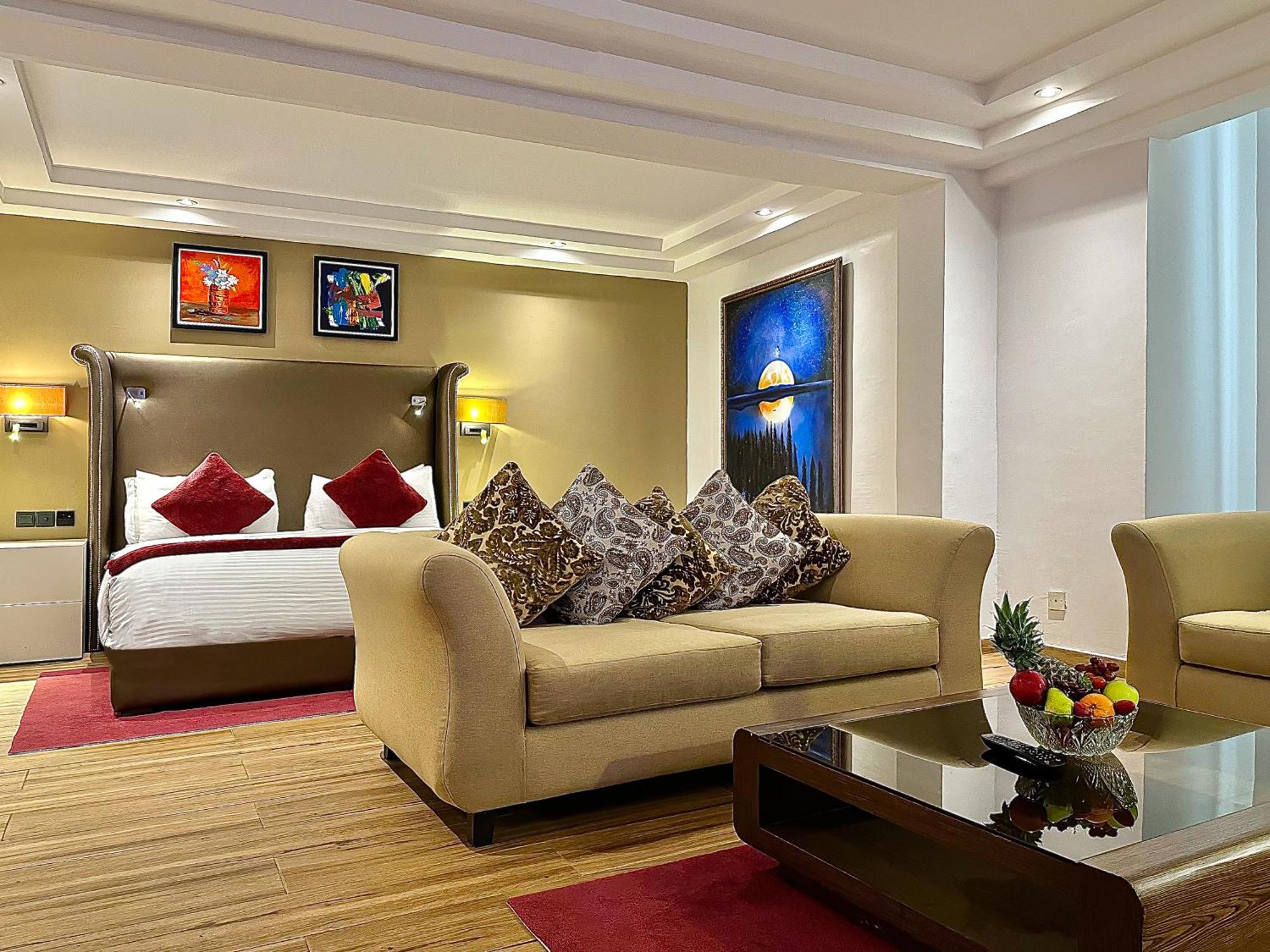
1. Leola Hotel, Lagos-Guest Room
Show on map


 Check-infrom 14:00 until 23:59Check-outuntil 11:00
Just a few rooms left at the best rate!
fromNGN 1422131
Hotels in Enugu, Uyo & Abuja
Outside Lagos, Nigeria's 4-star hotel landscape diversifies significantly. Enugu's Independence Layout district, Uyo's growing hospitality sector, and Abuja's planned urban grid each offer distinct advantages depending on your travel purpose.
-
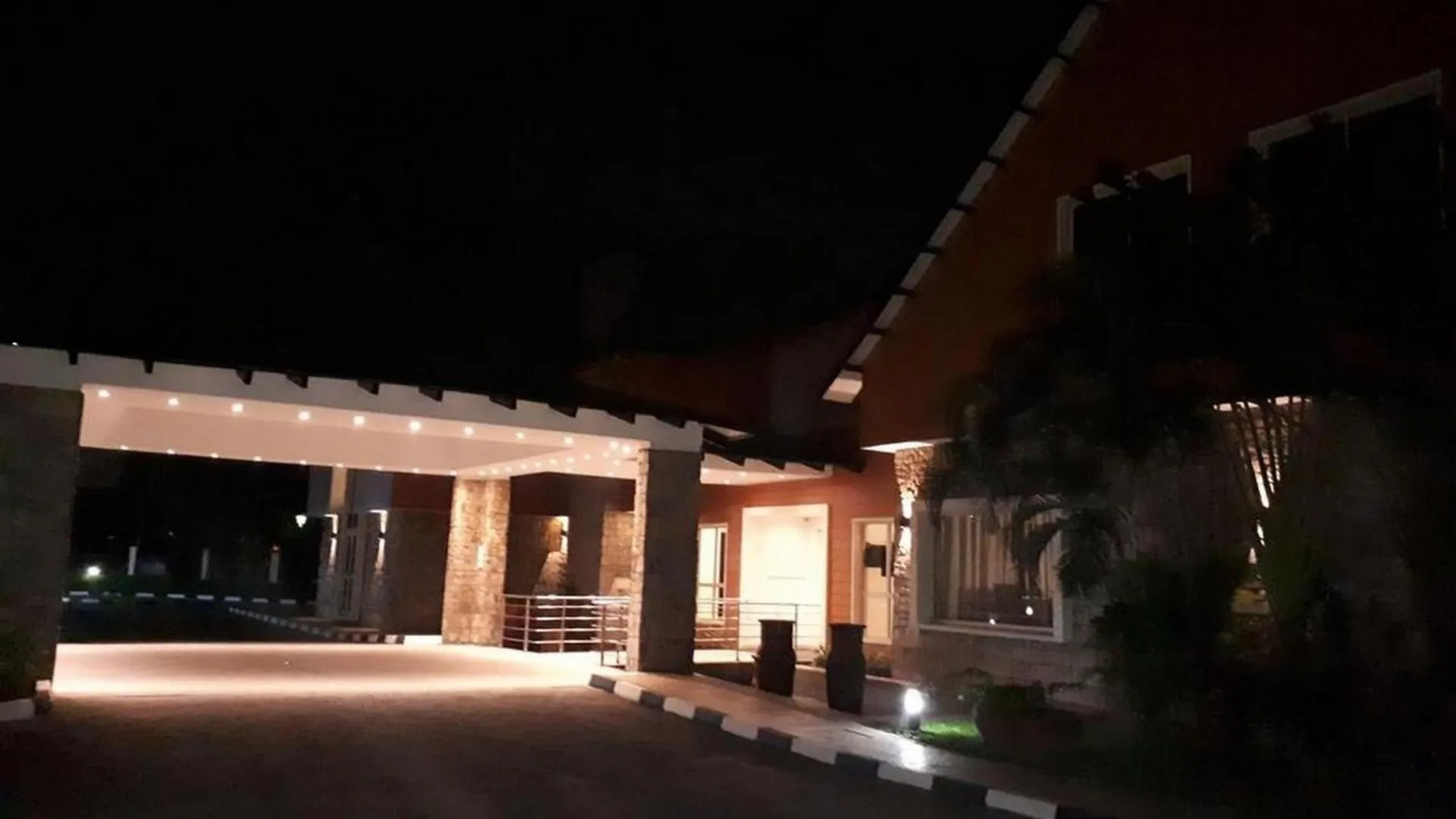
2. Residency Hotels Enugu Independence Layout
Show on map


 Check-infrom 10:00 until 12:00Check-outfrom 07:00 until 12:00
Hurry – almost gone at this price!
fromNGN 46448
- Show on map
Best price guarantee
-
4. Alim Royal Hotel And Suite
Show on map


 Check-infrom 12:00 until 23:30Check-outuntil 12:00
Rooms filling fast – secure the best rate!
fromNGN 80601
Smart Travel & Timing Advice for Nigeria
Nigeria has two clearly defined travel seasons: the dry season running from November to March, and the wet season from April to October. The dry season is peak travel time, particularly December and January, when diaspora return visits from Europe and North America drive hotel occupancy to its highest levels across Lagos, Abuja, and Port Harcourt. During this window, 4-star hotel rates in Lagos can rise significantly, and last-minute availability becomes genuinely scarce at reputable properties. Booking 4 weeks ahead for any December stay is the minimum advisable lead time.
The shoulder months of October and April offer the best balance of manageable weather and lower hotel rates. The wet season (June through August) brings heavy rainfall particularly in Lagos and the south, which makes outdoor movement harder and road conditions worse - but it also brings the lowest prices of the year for 4-star properties. A 3-night minimum stay makes sense in Lagos given the time lost to transit and traffic orientation; in smaller cities like Enugu or Uyo, 2 nights can be sufficient for a focused visit. For Abuja-based travellers on extended business, weekly rates at suite properties represent meaningfully better value than rolling nightly bookings.